
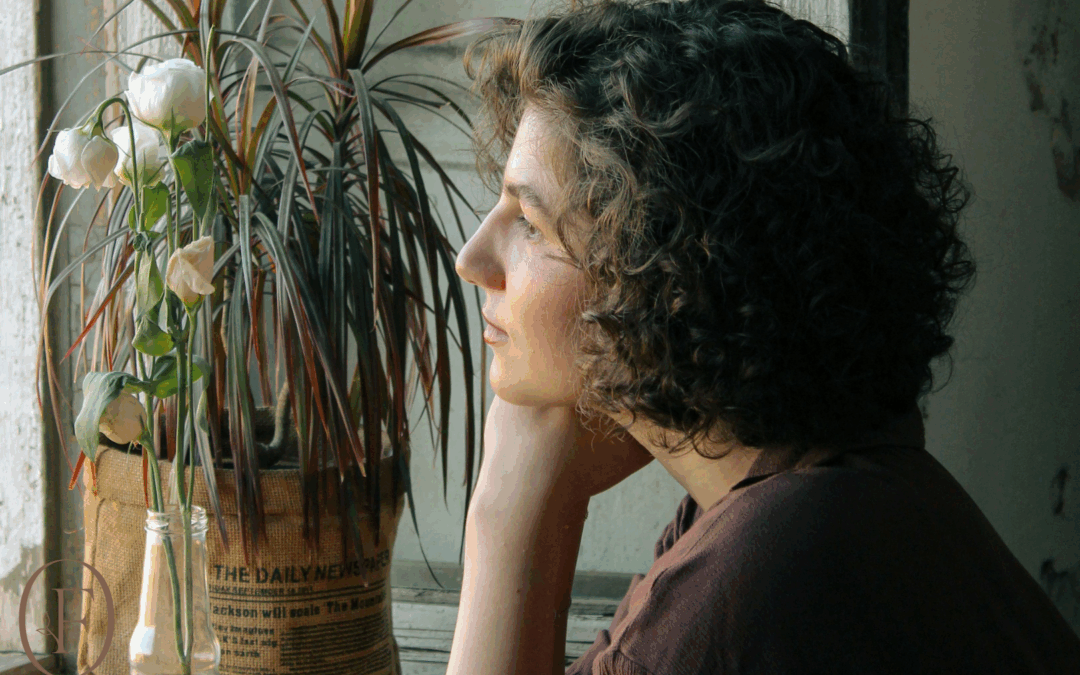
Meet Laurie.
One October morning, Laurie wakes up to the sound of birds outside her window. For a moment she takes in the stillness and peace in her quiet apartment. She reflects on how the space is filled with music she likes, meals she enjoys cooking, and the general pace of her life. The air feels lighter. Although her budget is still tight, she feels wealthier than she ever has. There is peace within her that she hasn’t been able to feel in a long time. As she starts her day, she thinks about the blessings surrounding her: She has wonderful supportive friends who check on her daily, she has a church home where she feels welcomed and accepted. And even through the simple act of logging into her new bank account, she feels a growing sense of confidence. She is starting to believe that financial recovery after divorce is possible.
But This Peace Didn’t Come Easily
There was a time not long ago when Laurie doubted if she could ever make it on her own. For years, she had been known for her warmth and creativity. As a front desk receptionist, she was the friendly face who greeted customers, the coworker who baked cakes for office parties, and the woman who always had a hug when someone was having a bad day. But at home, Laurie felt like a shadow of herself.
Her former husband Tom, had controlled every financial decision. He gave her a weekly allowance and monitored even the smallest purchases. Because of his constant criticism, Laurie stopped buying birthday cards for her coworkers, stopped baking, and even stopped giving money to her church. The control and emotional abuse slowly grew and chipped away at her confidence until she believed she couldn’t manage money at all.
The Quiet Steps That Led to Freedom—and the Women She’s Helping Now
Laurie’s journey didn’t end when she left her husband, it blossomed into something bigger. As she rebuilds her life, she’s also giving back and making others aware of the financial abuse often associated with domestic abuse.
Once unsure of her own financial literacy, Laurie now leads small group financial education classes for women navigating similar situations. With warmth and empathy, she shares the financial planning steps that helped her reclaim her independence and her peace. The same steps that will help her experience financial recovery.
“I used to think I wasn’t good with money,” she tells them. “Now I know I was never given the chance. But I learned. And so can you.”
Laurie’s Steps to Financial Recovery
These are the same steps Laurie now shares with other women of faith seeking financial clarity and empowerment:
- Open a savings account in your own name at a different bank.
Laurie chose a bank Tom didn’t use, ensuring privacy and safety. She started by saving $25 a week. It wasn’t much, but it was enough to build momentum without Tom noticing.
- Create a simple, realistic budget
Her first budget included rent, phone, car insurance, gas, and groceries. She used free online templates and kept it flexible.
- Pull your credit report
Laurie encourages women to check their credit through a free site like annualcreditreport.com. It helped her spot accounts she didn’t recognize and helped her begin to protect her financial identity.
- Change your direct deposit
Once she left, Laurie redirected her paycheck to her new account. It was a powerful moment—her income, finally under her control
- Gather important documents
Before leaving, Laurie quietly collected her Social Security card, birth certificate, insurance policies, and any financial statements she could access.
- Seek support and professional guidance.
Laurie worked with a financial counselor and leaned on her church and friends. Each step gave Laurie strength. Each dollar saved was a quiet act of courage. And now, as she teaches others, she sees that her story is not just about leaving, it’s about leading.
Domestic Abuse Awareness Month
Laurie is just one of many women who suffered financial abuse while also enduring domestic abuse. Because Flourish Financial Life Planning primarily exists to provide financial planning for women, recognizing Domestic Abuse Awareness Month is deeply important to me.
If you or someone you know needs support, confidential help is available through the National Domestic Violence Hotline at 1-800-799-7233 or thehotline.org.
Flourishing again is possible.