
Last Updated on April 21, 2026 by Laura Cook
A Family Trip and a Financial Lesson
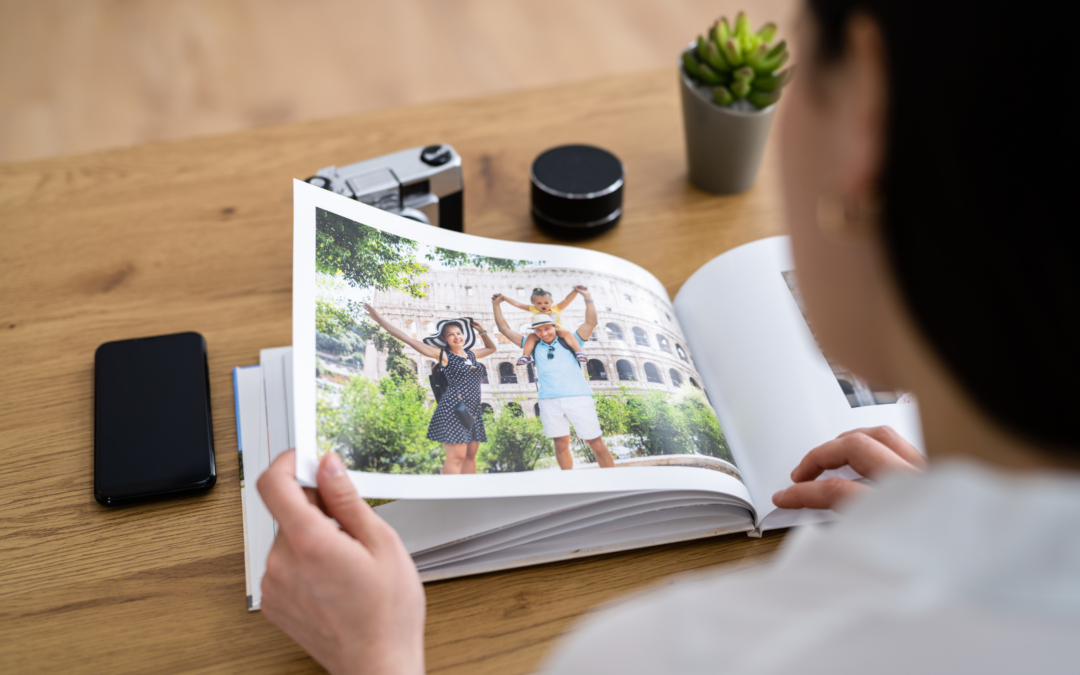
This time last year my family had just returned from a two-week trip to Denmark, Sweden, and Germany. It was a wonderful adventure — the kind of trip we don’t normally take. We’re usually weekend away people, but the timing aligned perfectly with my husband’s work travel and my son’s spring break, and so we quickly planned our trip.
Facing Travel Anxiety with Faith
Even though I’ve been on many flights, I am not a great flyer anymore. I have become acutely aware that when I am on a plane, there is nothing underneath me. Because we have a nine-year-old, I have tried to play it cool, — fidget toy in hand — pretending I’m simply passing the time, not praying my way through turbulence.
A few weeks before we left, my son stated that he was getting a little nervous too. He wasn’t nervous about flying specifically, but about making our connecting flights. He had all kinds of “what if” questions about missing planes and getting stuck somewhere unfamiliar. I reassured him that those were things his dad and I would handle, and that no matter what happened, we would be okay.
Then came the bigger question — the one that made me grip my fidget toy a little tighter.
“What if the plane goes down?”
I took a breath and said, “Well, that’s for God to worry about. There’s nothing we can do about that. We can only control what we can control.”
I didn’t realize then how much that phrase would echo in my mind once we returned home.
A Familiar Kind of Uncertainty
Not long after our trip, the markets began to wobble again — headlines about volatility, inflation pressures, global tensions, and economic uncertainty. It felt strangely similar to that moment on the plane: the sense of being carried by forces outside my control.
And yet, the same truth applies.
We can only control what we can control.
Financial Literacy Month is a perfect time to revisit that idea. Not as a slogan, but as a grounding practice.
Three Practical Financial Changes You Can Control
When the world feels unpredictable, I encourage you to focus your attention closer to home. Small, intentional choices can create a surprising amount of peace.
- Postpone any unnecessary or major spending.
If you don’t need it right now, give yourself permission to wait. Delaying a purchase is a financial decision — and a powerful one.
- Shop secondhand when possible.
If you do need something, check consignment or thrift stores first. Many of my favorite recent finds have come from places like these, and they stretch your dollars further.
- Eat at Home and Reduce Food Waste.
Restaurant prices have risen, but quality hasn’t always followed. Cooking at home has become a grounding habit for us. After losing a refrigerator full of food during Hurricane Helene, we also became much more intentional about using what we have before it spoils.
These habits may seem simple, but they add up. Any money saved can be redirected toward your emergency fund or short term goals — and seeing those balances grow can bring a sense of stability when the markets feel anything but stable. For further reading, the CFP Board offers more insights for navigating unpredictable markets in this helpful guide.
A Thought for This Season
As we move through another year of financial uncertainty, remember this:
You don’t have to control everything. You just have to focus on the things that are yours to influence.
Financial Literacy isn’t about perfection. It’s about awareness, intention, and small steps that support your long term wellbeing.
A Question for You
Where in your financial life do you need the reminder to “control what you can control” this month?
An Invitation
If you’d like help understanding how “Control what you can control” applies to your own financial life, I’d love to support you. Explore our planning services here. I’m here to talk anytime — you don’t have to navigate uncertainty alone.